June 23, 2026
The roof of your home is your first line of defense against the elements. However, over time, even the most robust roofs can suffer from weather-related damage, leading to costly repairs and potential hazards. This article explores the impact of various weather conditions on your roof, including why commercial roofing inspections can help identify signs of damage and guide preventative action. Awareness is the first step toward extending the life of your roof and enhancing the safety of your home. By understanding these dynamics, homeowners can make informed decisions regarding maintenance and repairs.
The Impact of Sun Exposure
Heat and Temperature Fluctuations
The sun's heat exerts a significant influence on roofing materials, causing them to expand during the day and contract during cooler nights. This continuous cycle results in gradual wear and tear, eventually leading to cracks and other structural issues. Over time, these materials weaken, making your roof more susceptible to further damage under other weather conditions. For instance, older roofs with existing sun damage might be more prone to leaks. Being proactive with your roof care can help mitigate these impacts.
UV Radiation Damage
Beyond heat, UV rays from the sun can weaken most traditional roofing materials such as asphalt shingles. As these materials degrade, their protective efficacy diminishes, making them more susceptible to additional damage. Prolonged UV exposure accelerates this deterioration, potentially compromising the roof's capacity to shed water effectively. Homeowners should be aware of these risks and consider UV-resistant materials during construction or renovations. Regular maintenance and commercial roofing inspections are crucial to address these vulnerabilities.
Fading and Color Changes
UV radiation not only affects the structural integrity of the roof but also impacts its aesthetic appeal. Continuous sun exposure often results in noticeable fading of the roof's color, which can make it appear worn out and less attractive. This aesthetic degradation might not directly affect the roof's functionality but can diminish property value and curb appeal. To counteract these effects, homeowners can explore coatings that maintain the vibrancy of the roofing material. Scheduling commercial roofing inspections as part of regular maintenance can help catch and address fading before it becomes severe.
Effect on Roof Insulation
Prolonged exposure to sun and heat can also compromise roof insulation, which is pivotal for effective temperature regulation within the home. Deteriorating insulation can lead to increased energy consumption as HVAC systems work harder to maintain comfortable indoor temperatures. This inefficiency not only increases energy costs but also places further stress on cooling systems. By regularly assessing their roof's insulation, homeowners can make sure optimal energy efficiency. Preventative measures such as using heat-reflective materials can significantly enhance the longevity and effectiveness of the roof.
Protective Measures Against Sun Damage
There are a variety of protective strategies and materials available to help prevent sun damage. Applying a reflective roof coating is an effective measure to reduce damage from UV exposure, reflecting sunlight and thus lowering roof surface temperatures. Additionally, choosing lighter-colored roofing materials can reduce heat absorption. Homeowners and property managers should also schedule commercial roofing inspections, ideally once a year, to assess the roof's condition and make timely repairs. By implementing these measures, you can safeguard your roof from potential sun damage, thereby extending its lifespan significantly.
Damage from Heavy Rain
Water Infiltration Issues
Continuous heavy rain poses a threat to roofs by increasing the likelihood of water infiltration. Water can seep through minute cracks and any existing vulnerabilities, leading to interior leaks. These leaks don't just threaten the structural integrity of the home but can also damage interior systems and aesthetics, which is why commercial roofing inspections are helpful after prolonged storms. Making sure your roof's waterproofing is up-to-date can be the first line of defense against heavy rain. Regular inspections and maintenance are vital to identifying weaknesses before they develop into more substantial problems.
Gutter and Drainage System Overload
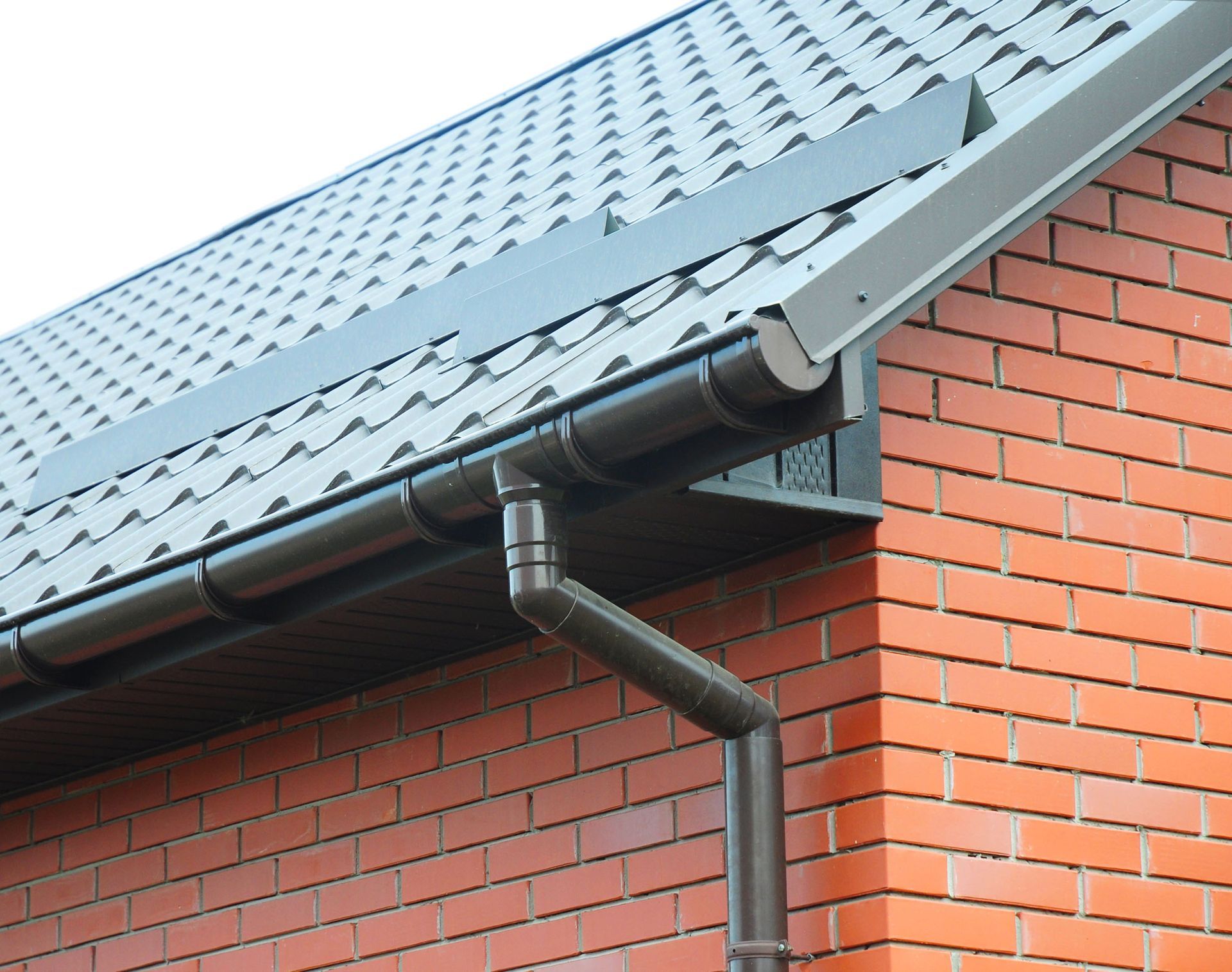
Heavy rains can overwhelm a roof's drainage systems, leading to pooling water which adds stress to the roof's surface. Clogged gutters or insufficient drainage can cause water to accumulate, increasing the risk of leaks and structural damage. To make sure this doesn't happen, homeowners should regularly clean and inspect their gutters, especially during the rainy season. Innovative designs, like seamless gutters, provide a more effective solution by minimizing leak points. This proactive approach helps in maintaining the roof's health over time.
Roofing Material Erosion
Persistent rain can gradually erode certain roofing materials, diminishing their protective capabilities. Asphalt shingles, for instance, can lose granules, thereby reducing their effectiveness against further rain damage. Eroded materials are less capable of repelling water, leading to increased risk of leaks and potential interior damage. Homeowners and property managers can counteract erosion by using durable, quality materials and scheduling timely commercial roofing inspections. Employing robust materials can help reduce the risk of long-term rain damage.
Mold and Mildew Growth
Continuous dampness from rain encourages the growth of mold and mildew, posing significant health risks and further damaging the roof structure. Mold can weaken various roofing materials, compromising their protective ability and causing premature wear. This type of growth is particularly common in shaded areas or places where water does not dry quickly. Homeowners can mitigate these risks by addressing leaks promptly and making sure adequate ventilation. Routine commercial roofing inspections will help in detecting and remedying any mold or mildew presence at an early stage.
Preventative Strategies for Rain Damage
You can safeguard your roof against rain damage by employing various preventative strategies. Waterproofing your roof with coatings or membranes provides an added level of protection against heavy moisture. In addition, maintaining an effective drainage system through regular cleaning and inspection can prevent water pooling. Homeowners should also conduct annual inspections as recommended by roofing professionals like This Old House, or after any major weather event. These proactive measures minimize the risk of rain-related damage, making sure the long-term health of your roof.
Weatherproofing and Maintenance
Regular Inspection Schedules
Establishing regular inspection schedules is crucial for catching weather-related roof damage early. According to This Old House, inspecting your roof once a year or after any major weather event is advisable, and commercial roofing inspections can help building owners document concerns before small issues spread. This allows homeowners to promptly address minor issues before they escalate into costly repairs. Conducting these inspections helps maintain the roof's overall health and prolongs its lifespan. By prioritizing regular inspections, homeowners reinforce their roof's ability to withstand adverse weather conditions.
Choosing Weather-Resistant Materials
A crucial component of an effective roof is the choice of weather-resistant materials. Advances in technology have led to the development of materials specifically designed to withstand extreme weather conditions. Whether it's hail-resistant shingles, UV-protective coatings, or wind-resistant fasteners, these materials provide homeowners with robust protection. Opting for premium, weather-resistant materials can reduce long-term repair costs. By investing in these materials, homeowners greatly enhance their roof's durability and resilience against diverse weather phenomena.
Understanding the various ways weather can affect your roof over time is crucial for maintaining its durability and effectiveness. By taking preventative measures and regularly inspecting your roof, you can extend its lifespan and make sure it continues to protect your home. With the right knowledge and resources, you can mitigate the impact of weather-related damage, saving time and money in the long run. Implementing these strategies proactively shields your roof from adverse conditions, preserving your investment. Ultimately, informed homeowners can keep their roofs strong and weather-resilient, safeguarding their homes and families. Contact Geissler Roofing Co, Inc today for more information.