November 3, 2026
This is a subtitle for your new post
A commercial roof protects more than the building beneath it. Leaks can affect inventory, equipment, interior finishes, and the people who use the space. Because many roofing problems develop gradually, waiting for visible water damage can make maintenance harder to schedule and more expensive to address. Periodic assessments give owners and property managers a clearer picture of what needs attention now and what can be planned for later.
According to Roofer's Guild, the U.S. has 102,744 roofing companies. With numerous providers in the industry, choosing qualified help matters more than selecting a contractor based on availability alone. A commercial roofing inspection should provide understandable findings, photographs when appropriate, and practical recommendations. Here are six ways that information can support long-term property planning.
1. Identifying Damage Before It Spreads
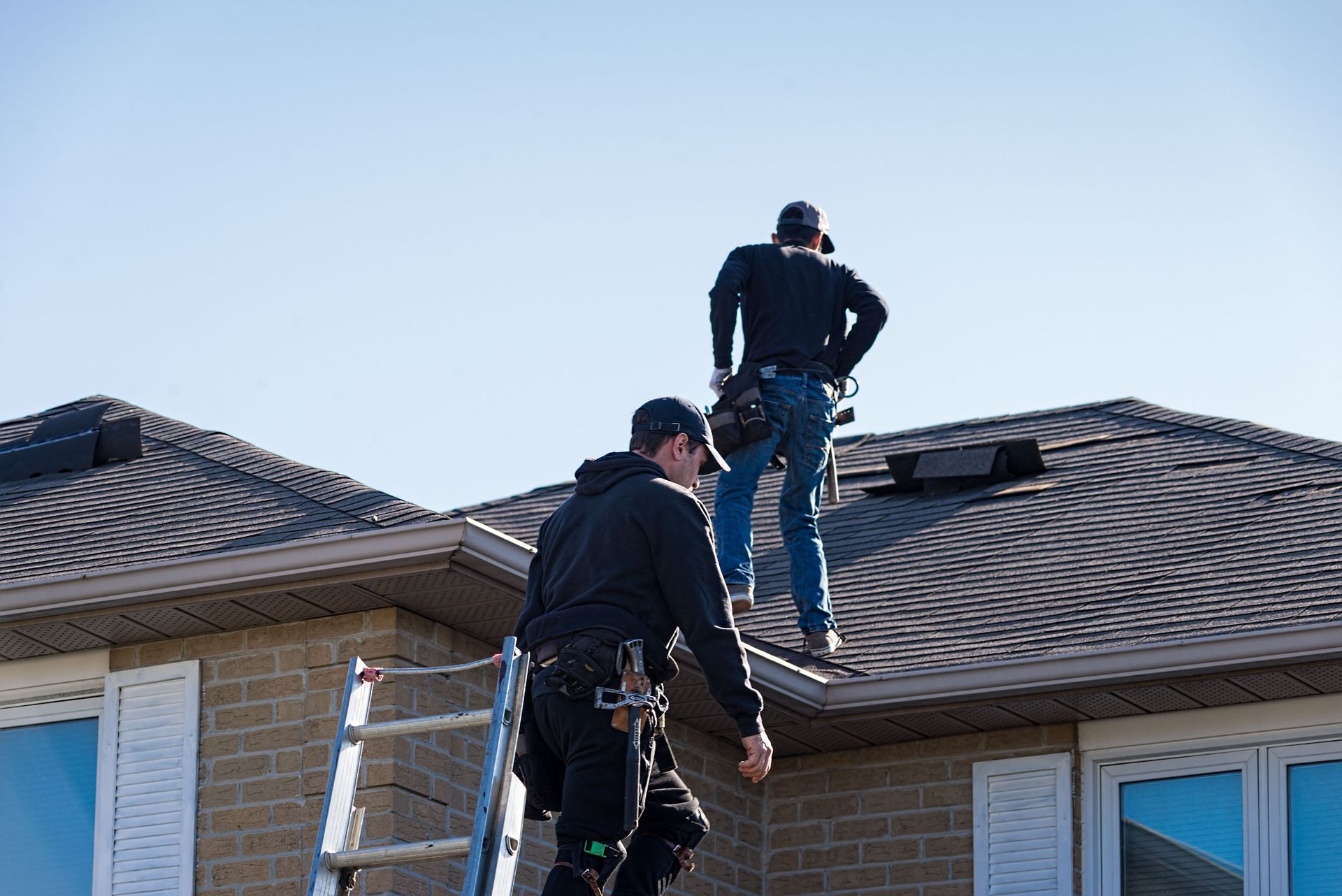
Roofing damage is not always obvious from inside a building. Separated membrane seams, punctures, deteriorated flashing, and clogged drains may go unnoticed until water reaches an occupied space. A trained roofing professional can examine accessible areas and identify conditions that warrant repair or closer investigation. Finding a concern early may allow a more limited repair instead of waiting until surrounding materials are affected.
Inspection findings also help distinguish ordinary aging from conditions that call for prompt attention. A worn sealant joint may need maintenance, while recurring moisture intrusion could justify additional testing or a closer look at the roof assembly. The appropriate response depends on the roofing system, the extent of the problem, and the manufacturer's guidance.
After severe weather, owners should document visible signs of damage from safe locations and arrange professional evaluation when needed. Roof surfaces can present fall hazards and concealed weak areas, so inspections should not become an informal do-it-yourself task.
2. Forecasting Maintenance and Replacement Costs
Predictable maintenance is easier to budget for than a sudden major repair. A documented commercial roofing inspection can identify areas likely to need attention during the coming months, helping property managers separate immediate repairs from longer-term projects. The resulting priorities can inform annual budgets, capital reserves, and discussions with building ownership.
For example, an inspection might reveal drainage problems that should be corrected soon, along with aging roof sections that warrant monitoring. Those findings do not establish an exact replacement date, but they make financial planning more informed than relying on the roof's age alone. Installation history, past repairs, material condition, and recurring leak patterns all contribute to the decision.
Request a clear description of proposed work and the assumptions behind any estimate. If several repairs are recommended, ask which address active risks and which are preventive. Keeping this distinction visible helps decision-makers assign resources without treating every observation as an emergency. It also creates a record that can be revisited during the next budget cycle.
3. Supporting Safety and Maintenance Records
Roof conditions can affect people working in or visiting a commercial property. Water entering a ceiling may damage finishes or equipment, and leaks near walkways can create slip hazards. An inspection can identify roof-related concerns that require follow-up, although it does not replace a structural engineering evaluation or a full building safety assessment.
Owners benefit from keeping records of a commercial roofing inspection alongside repair invoices, warranty documents, photographs, and reports of past leaks. A dated history helps contractors understand which locations have been repaired and whether a problem has returned. It can also help property managers explain maintenance decisions to owners, tenants, or prospective buyers.
Records may be useful when discussing a property insurance claim, but inspections do not guarantee coverage, lower premiums, or satisfaction of every code requirement. Those questions depend on policy terms, applicable regulations, and the circumstances of a loss. The practical benefit of organized documentation is that it gives everyone involved a clearer account of the building's condition and the actions taken. A useful report should identify roof sections that could not be accessed and explain whether additional evaluation is needed, so the property's condition is not overstated.
4. Evaluating Energy-Related Roofing Concerns
Commercial roofing systems can influence indoor comfort and energy use, particularly when moisture affects insulation or openings allow unwanted air movement. An inspection may uncover damaged roof components, standing water, or suspected wet insulation that merits further assessment. These observations can help a property manager decide whether specialized testing is appropriate.
A commercial roofing inspection is not the same as a building energy audit. Roofers can comment on roofing conditions within their scope, but measuring air leakage, insulation performance, or heating and cooling efficiency may require additional professionals and equipment. Keeping those responsibilities distinct prevents owners from treating a visual inspection as proof of a particular energy savings opportunity.
If replacement is already being considered, the inspection process can provide useful context for discussing compatible insulation, drainage improvements, and reflective roofing options. Whether a specific change is worthwhile depends on climate, roof design, building use, and installation requirements. A sound decision starts with the existing system rather than a blanket promise that one material will reduce utility bills.
5. Preserving Property Condition and Market Readiness
Prospective buyers and tenants often want to know whether a building has unresolved maintenance concerns. A roof with repeated leaks may raise questions about future expenses or disruption, even when the interior currently appears dry. Routine attention helps owners understand those issues before they become part of a sale, lease negotiation, or major renovation.
Findings from a commercial roofing inspection can support conversations about repairs and remaining service life, but no inspection can promise a particular resale value. An honest report should acknowledge uncertainty, explain visible conditions, and recommend additional investigation when necessary. This is more useful than an unsupported claim that a roof will perform for a precise number of years.
Documentation is especially valuable when ownership changes or a property management team takes over. Instead of reconstructing a repair history from scattered emails, incoming decision-makers can review past findings and see what has already been addressed. This continuity helps them prioritize next steps and avoid repeating evaluations without a clear reason.
6. Reducing Disruption for Tenants and Operations
Unexpected roofing work can interfere with deliveries, customer access, employee schedules, and tenant activities. Inspection findings give managers an opportunity to arrange repairs during less disruptive periods when conditions allow. A planned service visit may be easier to coordinate than an urgent response after water reaches equipment or occupied rooms.
Scheduling a
commercial roofing inspection also creates an opportunity to review roof access and communicate upcoming work. Tenants may need advance notice about temporary parking restrictions, noise, or areas that must remain clear. Sharing realistic information reduces confusion without suggesting that every problem can be prevented or every repair can wait.
Following an inspection, assign responsibility for decisions, request written estimates where appropriate, and set dates to review open items. Emergency concerns should be addressed promptly, while less urgent recommendations can become part of a documented maintenance calendar. Regular follow-through is what turns a report into a practical tool for building management.
Commercial roof planning works best when owners understand the building's condition, maintain accessible records, and act on findings according to their urgency. Inspections cannot eliminate weather damage or predict every repair, but they can replace some uncertainty with useful information. Property owners who want to evaluate their roofing needs can contact Geissler Roofing Co, Inc. to discuss available services and the next appropriate step for their building.