November 5, 2026
Delayed roofing repairs can disrupt business operations by increasing expenses, damaging inventory, interrupting productivity, and creating safety hazards. What begins as a minor leak can develop into a costly problem that affects employees, customers, and long-term profitability. Regular maintenance and a commercial roofing inspection help business owners identify concerns early, protect valuable assets, and maintain reliable operations.
Preventing Financial Losses From Roofing Problems
Controlling Repair Expenses
Putting off roof repairs often allows minor damage to spread into surrounding materials and structural components. Small leaks can lead to deteriorating insulation, damaged ceilings, and expensive interior restoration. A commercial roofing inspection can reveal early warning signs before repairs become more extensive. Addressing these issues promptly helps businesses control maintenance budgets and avoid unexpected expenses that interfere with other financial priorities.
Protecting Inventory and Equipment
Water entering through a damaged roof can destroy merchandise, office equipment, computers, and manufacturing machinery. Replacing these assets may be expensive, particularly when insurance coverage does not cover every loss. Retailers and warehouses face additional risks when moisture damages stored products. Routine roof assessments help identify vulnerable areas and reduce the likelihood of water intrusion disrupting daily operations.
Reducing Insurance and Property Risks
Poor roof maintenance can complicate insurance claims and potentially contribute to higher premiums. Insurers may scrutinize damage that results from neglect, leaving businesses responsible for expenses they expected their policies to cover. Roofing problems can also reduce property value by raising concerns for prospective buyers, tenants, and investors. Maintaining documentation of repairs and scheduling a commercial roofing inspection demonstrates responsible property management while helping owners identify maintenance needs before they affect the building's value.
Maintaining Productivity and Customer Service
Preventing Operational Interruptions
Roof leaks can force businesses to close affected rooms, relocate employees, or suspend operations while repairs take place. Water near electrical systems or sensitive equipment may require immediate shutdowns to prevent further damage. These interruptions can delay projects, reduce sales, and create additional labor expenses. Regular maintenance helps businesses address roofing concerns before they interfere with essential functions.
Supporting Employee Comfort and Safety
A damaged roof can allow moisture into workspaces, encourage mold growth, and make indoor temperatures harder to regulate. Uncomfortable conditions can affect employee concentration, attendance, and morale. In addition, slippery floors and falling ceiling materials create potential injury hazards. Scheduling a commercial roofing inspection helps identify leaks, drainage problems, and visible deterioration that could compromise a safe working environment.
Preserving Customer Confidence
Customers expect businesses to provide clean, comfortable, and professional environments. Water stains, unpleasant odors, wet floors, or temporary closures can undermine that experience. For retailers, restaurants, and service providers, these problems may discourage repeat visits and generate negative reviews. Keeping roofing systems in good condition helps businesses maintain a welcoming appearance and deliver consistent service without avoidable disruptions.
Protecting Building Integrity and Workplace Safety
Preventing Structural Deterioration
Persistent moisture can weaken roof decking, damage insulation, and deteriorate supporting materials. If these problems continue unchecked, repairs may extend beyond the roofing system to involve ceilings, walls, and other building components. According to Roofer's Guild, a typical roof lasts 25 to 50 years, depending on the roofing material and property type. Proper maintenance helps businesses get the most practical service life from their roofs while reducing the risk of premature replacement.
Addressing Mold and Moisture Concerns
Roof leaks create damp conditions that can encourage mold and mildew growth, especially when moisture remains trapped behind walls or above ceilings. These conditions may aggravate allergies and respiratory symptoms among building occupants. A commercial roofing inspection can help identify potential moisture entry points so property managers can arrange appropriate repairs and investigate affected interior areas. Prompt action limits continued water intrusion and supports a healthier workplace.
Reducing Liability and Compliance Concerns
Business owners have a responsibility to maintain reasonably safe premises for employees, customers, and visitors. Roof damage can contribute to falling debris, slippery walkways, or electrical hazards. If these conditions cause injuries, the business may face liability claims, legal expenses, and reputational damage. Regular assessments and documented repairs help demonstrate a proactive approach to property safety and support compliance with applicable building and workplace requirements.
Strengthening Long-Term Business Stability
Supporting Reliable Business Planning
Unexpected roofing failures can force businesses to redirect funds from staffing, equipment upgrades, inventory, or expansion plans. Emergency repairs may also require temporary relocation, additional storage, or alternative workspace arrangements. These unplanned expenses make financial forecasting more difficult. A commercial roofing inspection provides an opportunity to identify developing problems, prioritize repairs, and plan maintenance spending before conditions become urgent.
Maintaining a Competitive Reputation
A poorly maintained facility can suggest that a business overlooks important details, especially when visible leaks or damaged ceilings affect customer-facing areas. Competitors with better-maintained properties may appear more dependable by comparison. Investing in preventive roof care helps preserve a professional image, protect customer relationships, and demonstrate responsible management. Reliable facilities also make it easier for employees to maintain service standards without repeated interruptions.
Protecting Future Investments
Investors, lenders, and prospective buyers often consider the condition of a commercial property when evaluating financial risk. Extensive roof deterioration may raise questions about deferred maintenance and future capital expenses. Keeping repair records and arranging periodic professional evaluations helps owners understand their property's condition and plan improvements more confidently. Proactive maintenance can also reduce the chance that an avoidable roofing emergency will interfere with a major business decision.
Preventing Disruptions Through Proactive Maintenance
Establishing a Regular Inspection Schedule
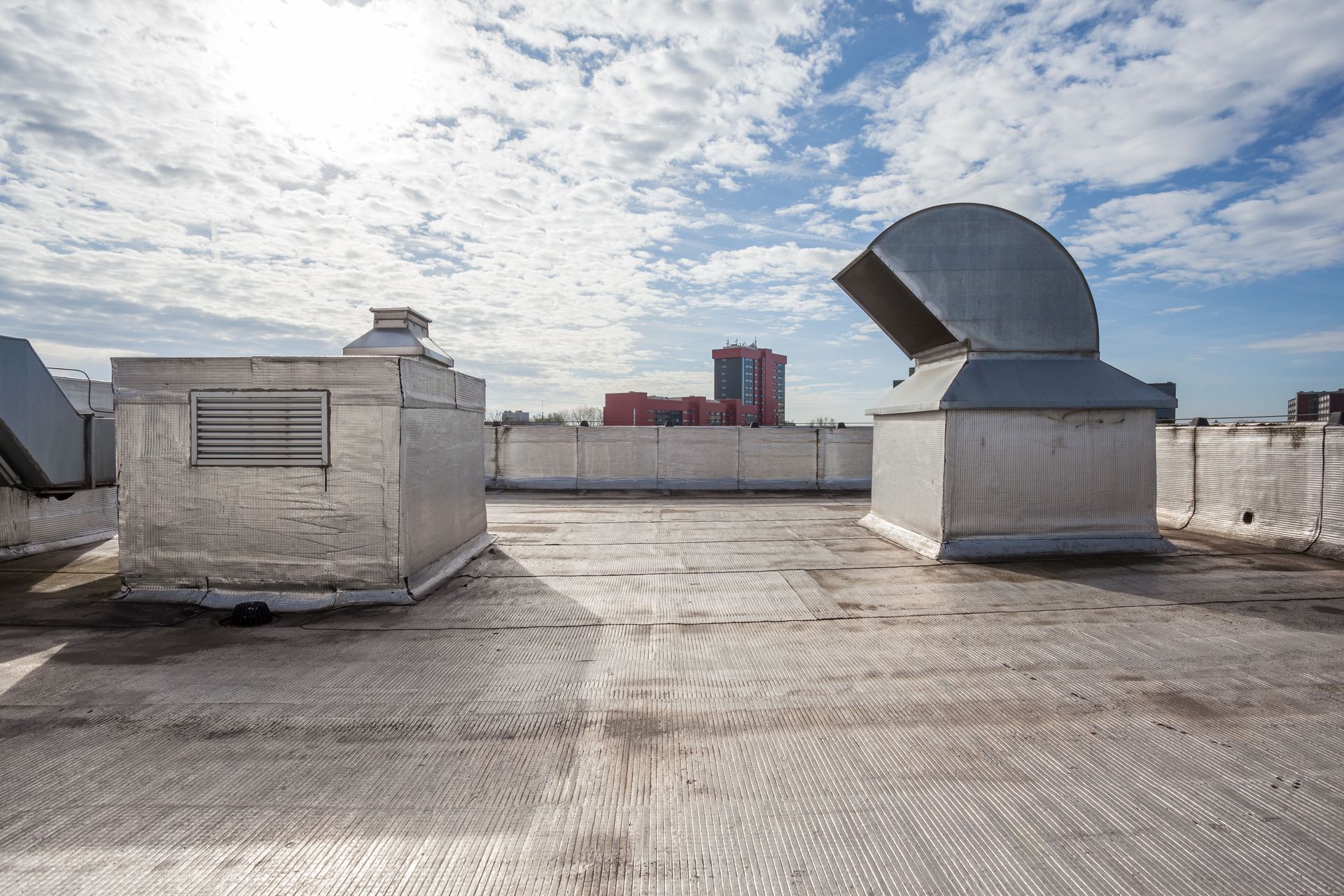
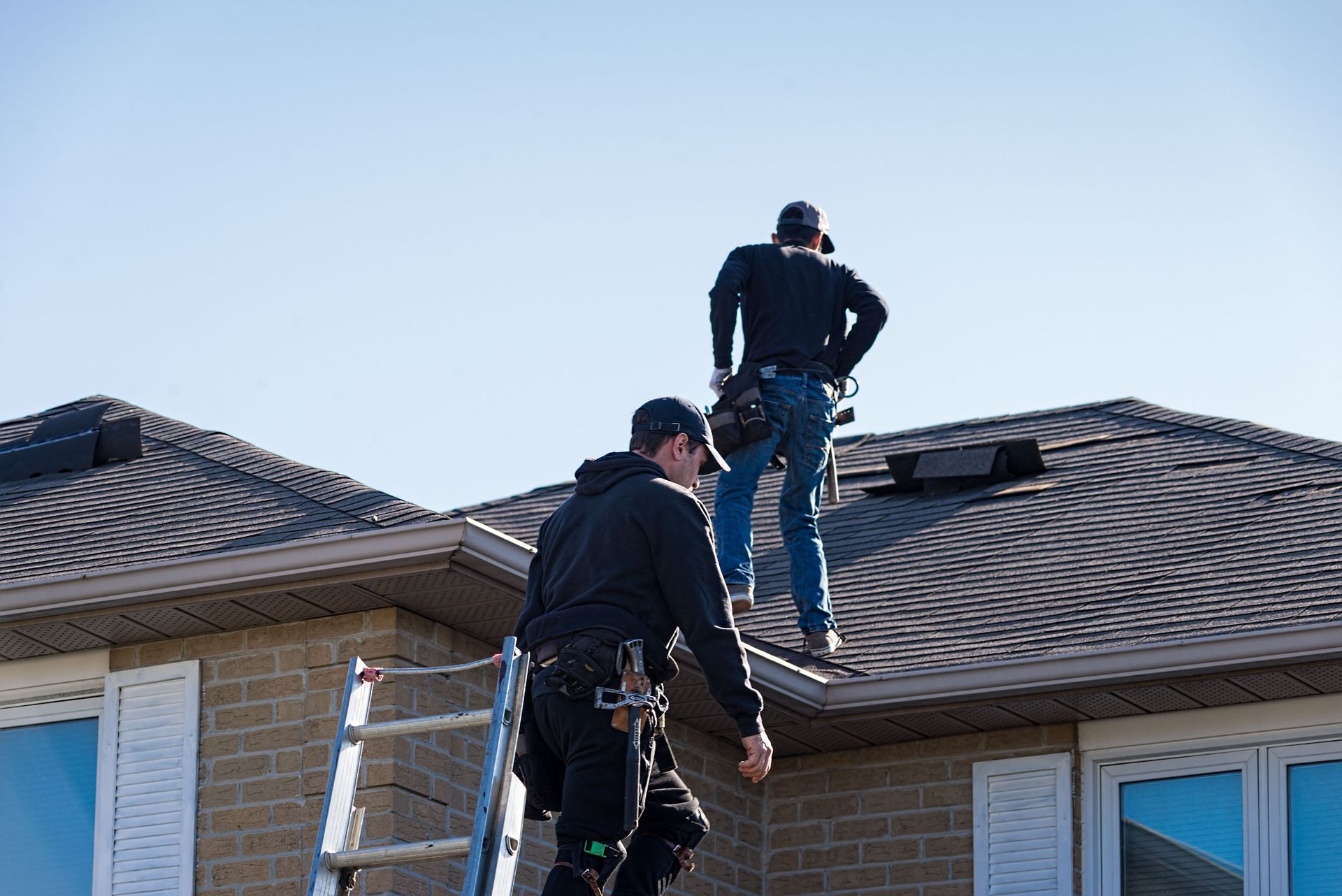
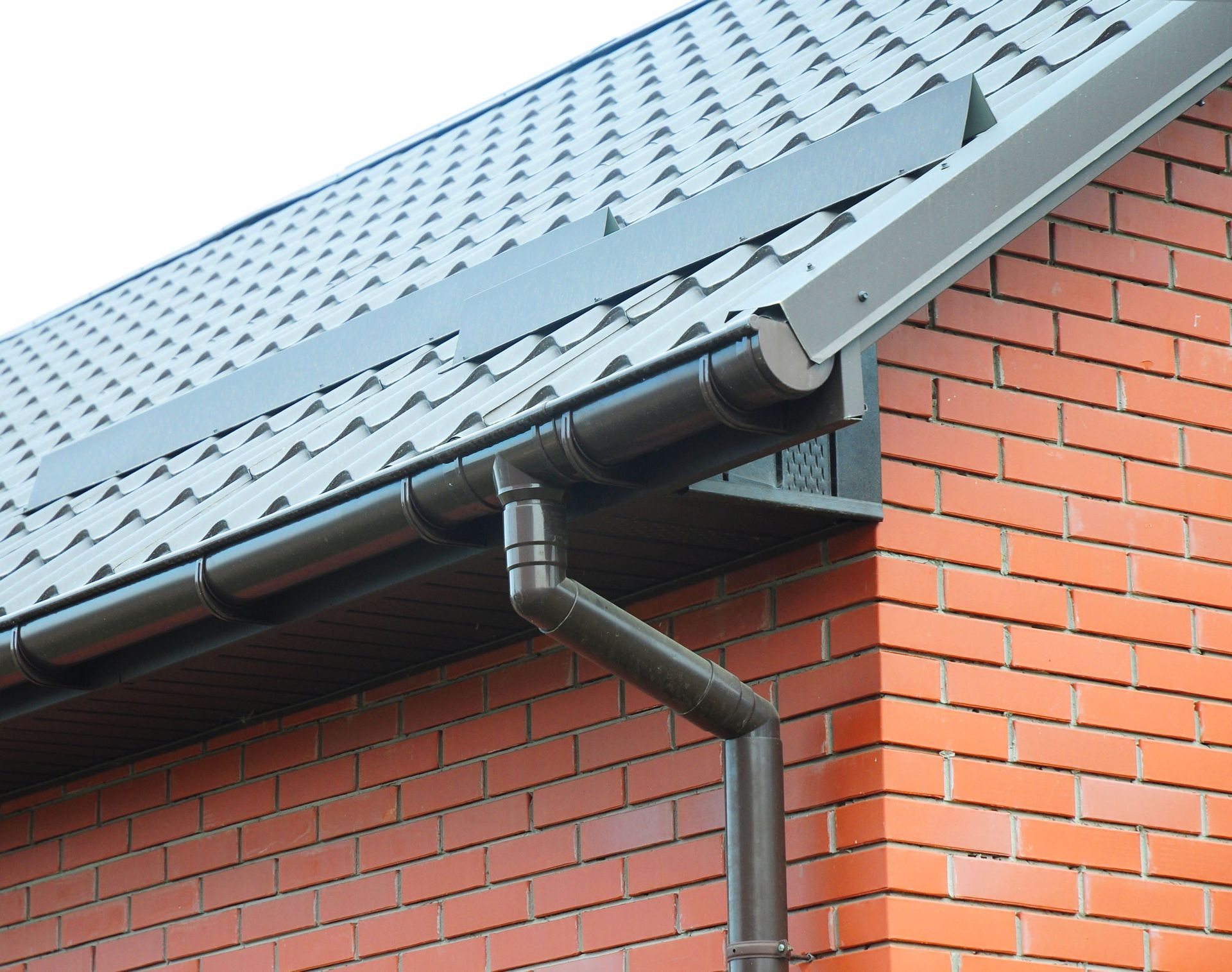
Routine roof assessments help businesses identify damaged flashing, deteriorating membranes, clogged drains, loose materials, and other developing concerns. Inspection frequency should reflect the roofing system, local weather, building use, and the manufacturer's recommendations. A commercial roofing inspection after severe weather may also help uncover damage that is not immediately visible from inside the building. Addressing findings early makes repairs easier to schedule and reduces the potential for unexpected downtime.
Choosing Durable Roofing Solutions
The right roofing materials can influence maintenance requirements, weather resistance, and long-term operating costs. Factors such as roof slope, drainage, exposure to sunlight, and local climate should guide material selection. Business owners should also consider the building's intended use and the potential consequences of leaks near sensitive equipment or inventory. Professional guidance helps property managers make informed decisions about repairs, upgrades, and eventual roof replacement.
Preparing for Roofing Emergencies
Even well-maintained roofs can experience sudden damage during severe weather or other unexpected events. Businesses should establish procedures for reporting leaks, protecting equipment, moving vulnerable inventory, and restricting access to unsafe areas. Property managers should also know whom to contact for professional repairs and how to document damage for insurance purposes. A clear response plan can limit confusion and help employees resume normal activities sooner.
Keeping Business Operations on Track
Delayed roofing repairs can affect nearly every part of a business, from budgets and employee safety to customer satisfaction and long-term growth. Preventive maintenance helps property owners identify concerns early, protect valuable assets, and reduce the risk of costly operational interruptions. Regular professional assessments also provide a clearer understanding of a roof's condition and the repairs needed to keep the building dependable.
Business owners should not wait for visible leaks or interior damage before evaluating their roofing systems. Contact Geissler Roofing Co, Inc. to discuss professional roofing assessments and maintenance options that help protect commercial properties, control repair costs, and keep business operations running smoothly.