February 20, 2026
A commercial roof is a critical asset, yet it's often overlooked until a problem disrupts operations. Unlike residential systems, commercial roofs cover larger surface areas, support mechanical equipment, and are exposed to constant foot traffic and environmental stress. Small issues can escalate quickly, leading to interior damage, safety concerns, and costly downtime. Knowing what warning signs to watch for helps you act before minor defects become major liabilities—and before a simple roofing repair turns into a full replacement project.
According to Consumer Affairs, the U.S. roofing market was worth $23.35 billion in 2023, reflecting how common and consequential roof-related issues are for property owners. For commercial buildings especially, timely intervention protects both the structure and the business inside it. Below are key indicators that your commercial roof may need roofing repair services, along with guidance on why expert evaluation matters more than quick fixes.
1. Persistent Interior Leaks
Water intrusion is one of the most obvious indicators of roof trouble, but it's also one of the most misunderstood. Interior leaks don't always appear directly below the source of the problem. Water can travel along insulation, decking, or structural components before becoming visible, making the damage more extensive than it appears.
Stains on ceilings, dripping water, or moisture around light fixtures often point to compromised membranes, flashing failures, or punctures. While it may be tempting to seal visible areas yourself, commercial roofing systems are layered and complex. A professional assessment ensures the underlying issue is addressed, not just the symptom, and prevents repeat failures that drive up long-term roofing repair costs.
2. Ponding or Standing Water
Flat and low-slope commercial roofs are designed to shed water gradually, not hold it. In our experience as roofing repair professionals, when water remains on the surface for more than 48 hours after rainfall, it signals a drainage issue. Ponding water adds significant weight to the roof and accelerates material breakdown, especially on membranes and seams.
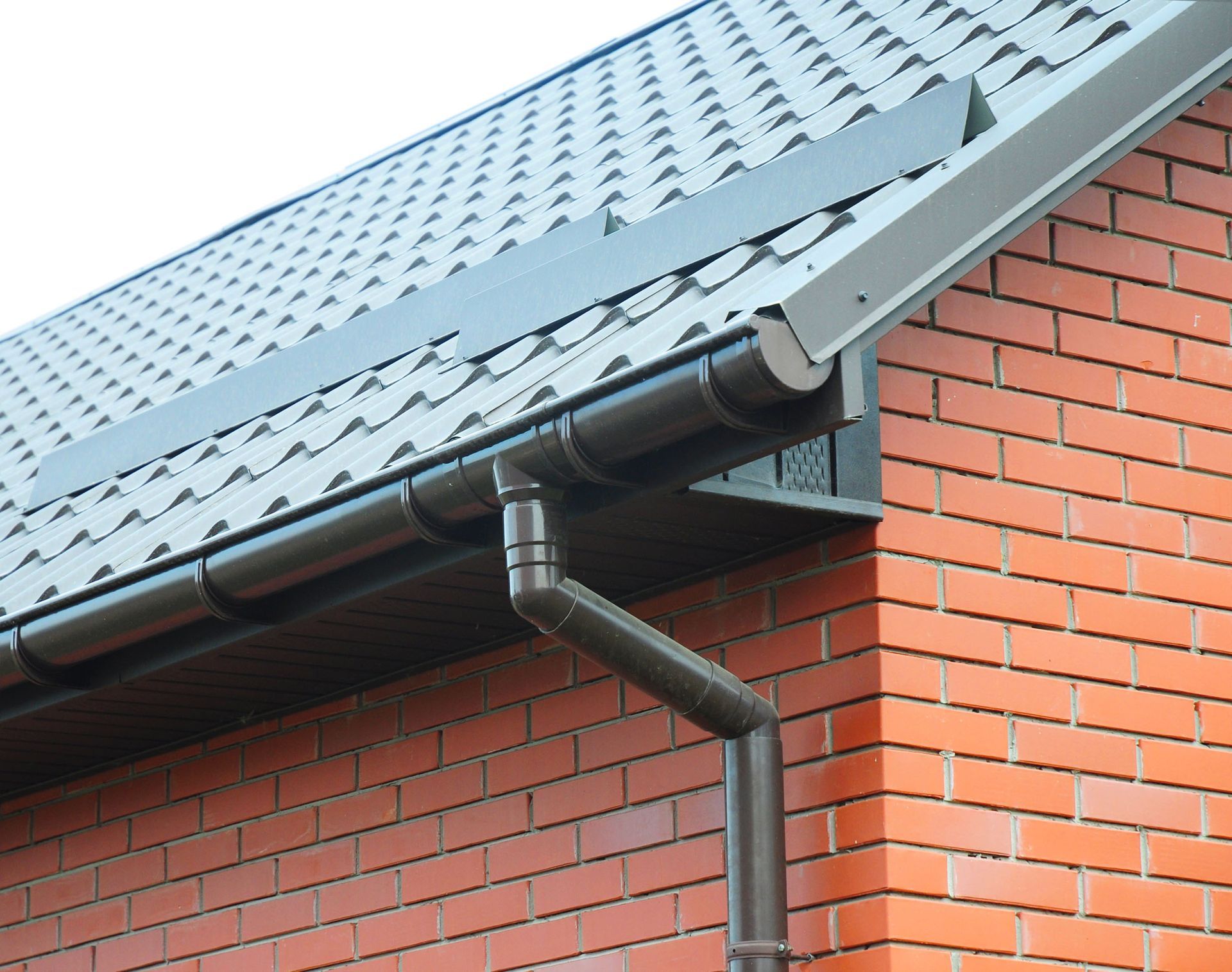
Causes may include clogged drains, improper slope, or structural settling. DIY solutions like clearing debris may help temporarily, but they rarely resolve the root problem. Professionals can evaluate drainage design, make precise corrections, and ensure compliance with building codes, reducing the risk of structural stress and premature deterioration.
3. Damaged or Deteriorating Flashing
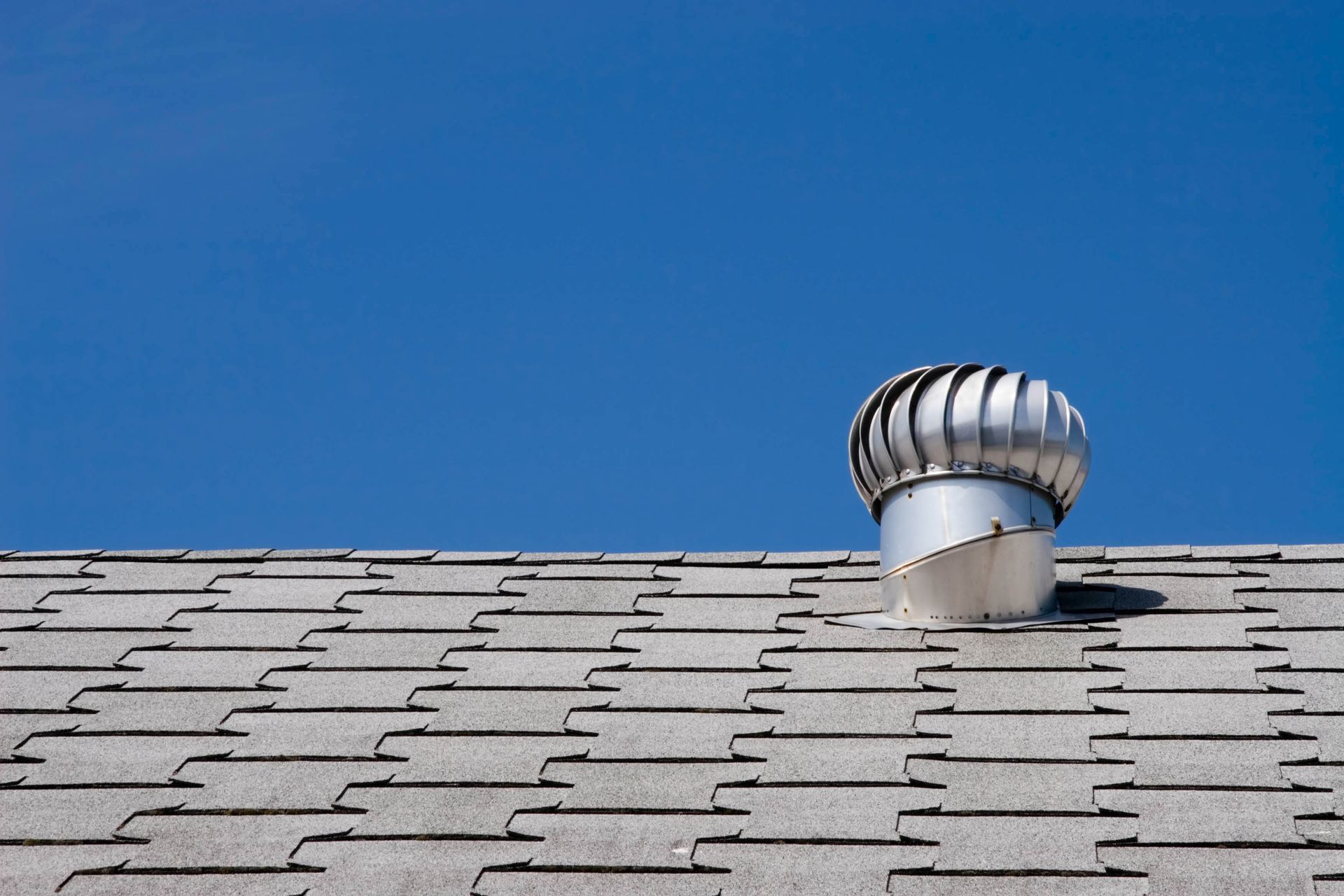
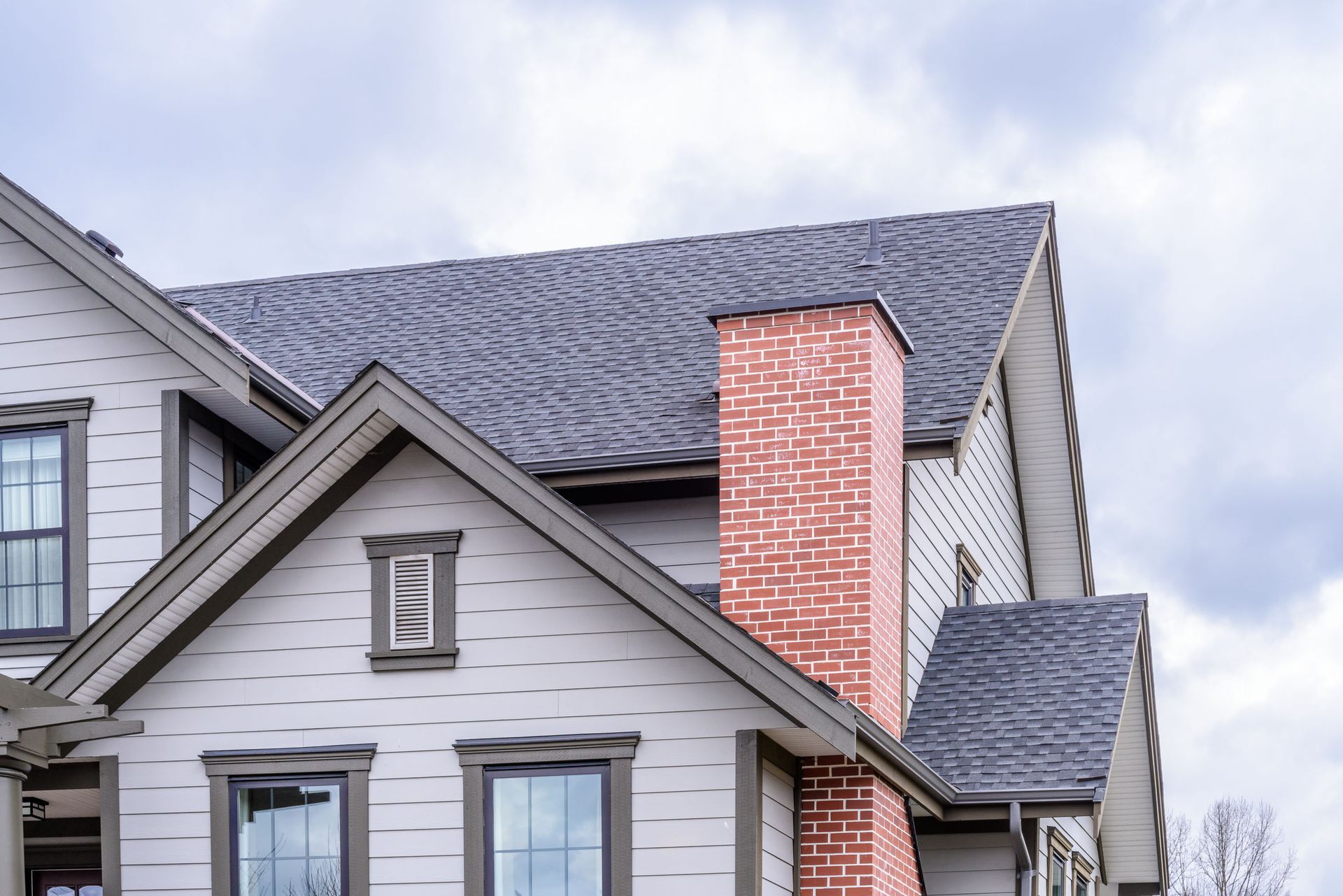
Flashing protects the most vulnerable points of a commercial roof, including penetrations, edges, and transitions. When flashing cracks, pulls away, or corrodes, water can enter the system with ease. These failures are common around HVAC units, vents, skylights, and parapet walls.
Because flashing details vary by roof type and building design, repairs require specialized materials and installation techniques. Improper sealing or incompatible products can worsen the problem. Engaging experienced professionals ensures that flashing repairs integrate seamlessly with the existing system and restore watertight performance.
4. Visible Membrane Wear or Punctures
Commercial roofing membranes are engineered for durability, but they are not immune to damage. Foot traffic, fallen tools, debris, and severe weather can cause punctures, tears, or surface abrasion. Even small openings can allow moisture into insulation layers, reducing energy efficiency and promoting mold growth.
A trained contractor knows how to identify subtle membrane failures that may not be obvious during a casual inspection. Addressing these issues early through professional roofing repair extends the life of the roof and prevents widespread water damage that can disrupt business operations.
5. Rising Energy Bills
An unexplained increase in heating or cooling costs can point to roof-related insulation problems. When moisture infiltrates insulation, its thermal performance drops dramatically. Gaps, compression, or degradation in the roofing system allow conditioned air to escape and outdoor air to enter.
Because energy loss often originates below the surface, it's rarely visible without specialized tools. Infrared scanning and moisture detection equipment used by professionals can pinpoint problem areas accurately. This targeted approach avoids unnecessary tear-offs and supports cost-effective repairs that restore energy efficiency.
6. Sagging or Structural Irregularities
A commercial roof should appear level and uniform. Any noticeable sagging, deflection, or uneven areas suggest potential structural concerns. These issues may stem from prolonged water accumulation, compromised decking, or excessive load from equipment or snow.
Structural irregularities are not a DIY situation. Attempting surface-level fixes without understanding load distribution can create safety hazards. Professional roofers collaborate with structural experts when needed, ensuring repairs address both the roofing system and the underlying support components safely and correctly.
7. Aging Materials Near the End of Service Life
Every commercial roof has an expected service life, which varies by material, installation quality, and maintenance history. As a roof approaches this threshold, signs of aging become more frequent: brittle membranes, recurring leaks, failing seams, and widespread surface wear.
At this stage, strategic roofing repair can still be valuable, but only when guided by a professional evaluation. An expert can help you determine whether targeted repairs make financial sense or if planning for replacement is the more prudent option. This insight prevents wasted spending on short-term fixes that won't deliver lasting results.
8. Mold, Mildew, or Persistent Odors
Unpleasant odors, visible mold, or mildew inside a commercial building often trace back to chronic moisture problems. Even when leaks aren't obvious, trapped moisture within the roofing system can create conditions for microbial growth, affecting indoor air quality and occupant health.
Because mold-related issues may involve insulation, decking, and ventilation, resolving them requires a comprehensive approach. Professional roofers coordinate repairs that eliminate moisture sources and restore proper airflow, rather than masking odors or treating symptoms in isolation.
9. Frequent Temporary Fixes or Recurring Issues
If the same roof problems keep resurfacing despite past repairs, it's a strong signal that the underlying issue was never fully resolved. Recurring leaks, repeated patching, or ongoing drainage problems often indicate systemic failure rather than isolated damage. Temporary fixes may reduce symptoms in the short term, but they rarely address root causes in commercial roofing systems. Over time, this cycle increases risk and total cost.
Working with professionals allows for a comprehensive evaluation of prior work, material compatibility, and installation quality. A strategic repair plan delivers longer-lasting results and helps prevent disruption from repeated, reactive maintenance.
10. Recent Storm or Weather-Related Damage
Severe weather events—including high winds, hail, heavy rain, and rapid temperature swings—can compromise a commercial roof even when damage isn't immediately visible. Wind uplift may loosen seams, hail can bruise membranes, and thermal expansion can stress flashing and fasteners. These issues often worsen gradually, surfacing weeks or months after the storm.
A professional post-storm inspection is critical for identifying hidden damage and documenting conditions for insurance purposes. Attempting self-assessments can miss subtle failures that later lead to leaks or insulation damage. Expert evaluation ensures that weather-related issues are properly identified and addressed early.
Commercial roof problems rarely resolve themselves, and delays often increase both cost and complexity. From subtle membrane wear to structural red flags, the signs outlined above are indicators that your roof needs attention sooner rather than later. Proactive inspections and timely roofing repair help preserve the integrity of your building, protect occupants, and avoid unplanned disruptions.
When roofing repair situations are handled by experienced professionals, you gain accurate diagnosis, code-compliant solutions, and confidence that the work will last. If you've noticed any of these warning signs—or simply want peace of mind—we're here to help. Contact Geissler Roofing Co, Inc today to schedule a professional evaluation and take the next step toward safeguarding your commercial property.