May 5, 2026
The decision to maintain an existing structure or invest in a full system overhaul is one of the most significant financial choices a property owner will face. The roof serves as the primary defense against environmental elements, shielding the interior from rain, wind, and temperature fluctuations. However, every roofing system has a finite lifespan. Determining whether to continue with localized roofing repair or to commit to a complete replacement requires a thorough evaluation of several critical factors, including the age of the materials, the extent of documented damage, and the long-term goals for the property.
Evaluating System Longevity
The first step in the decision-making process involves assessing the age of the current installation. Every material used in the industry has a projected service life. When a system is nearing the end of its functional cycle, the frequency of required roofing repair often increases. While a single leak might seem like a minor inconvenience, it can be a symptom of a systemic failure caused by decades of exposure to ultraviolet radiation and thermal expansion. If the materials have reached eighty percent of their expected lifespan, continuing to patch individual areas may become less cost-effective than a full transition to a new system.
Property owners should maintain detailed records of previous work to identify patterns. If the same area requires attention every season, it indicates that the underlying structure or the surrounding membranes are no longer performing their intended function. In these instances, a professional assessment can determine if the materials have become too brittle or degraded to support further localized fixes.
Identifying Structural Compromise
Beyond the surface level appearance of the materials, the physical integrity of the decking and support structures must be considered. Moisture infiltration is rarely limited to the point of entry. Water often travels along beams and rafters, causing rot or mold in areas far removed from the visible leak. If a professional inspection reveals widespread moisture trapped within the insulation or soft spots in the wood decking, a simple roofing repair is likely insufficient.
Water trapped within the system can lead to heavy saturated insulation, which adds significant weight to the building and reduces thermal efficiency. Removing the entire system is often the only way to verify that the structural components remain sound. According to Workyard, single-ply roofing is the most popular commercial installation system among surveyed U.S. roofers, used by 81%. This statistic highlights the industry shift toward systems that provide comprehensive coverage and ease of inspection, which are often chosen during a full replacement to prevent the recurring issues found in older, multi-layered configurations.
Observing Material Degradation
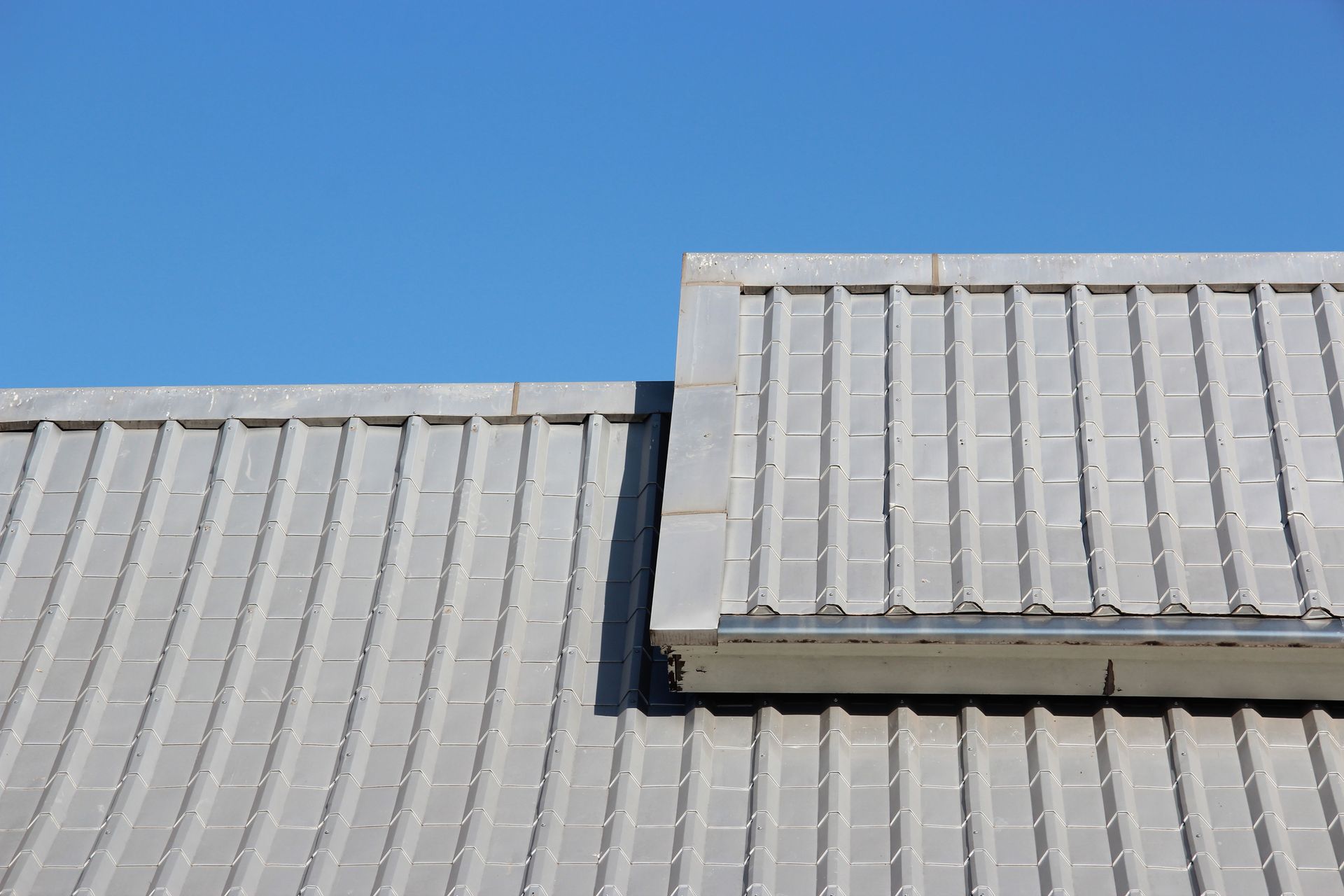
Visible signs of wear vary depending on the type of material present. For asphalt-based systems, the loss of protective granules is a primary indicator of decline. When these granules wash away, the underlying bitumen is exposed to direct sunlight, leading to cracking. In metal systems, persistent rust or the loosening of fasteners across large sections suggests that the system is failing as a whole.
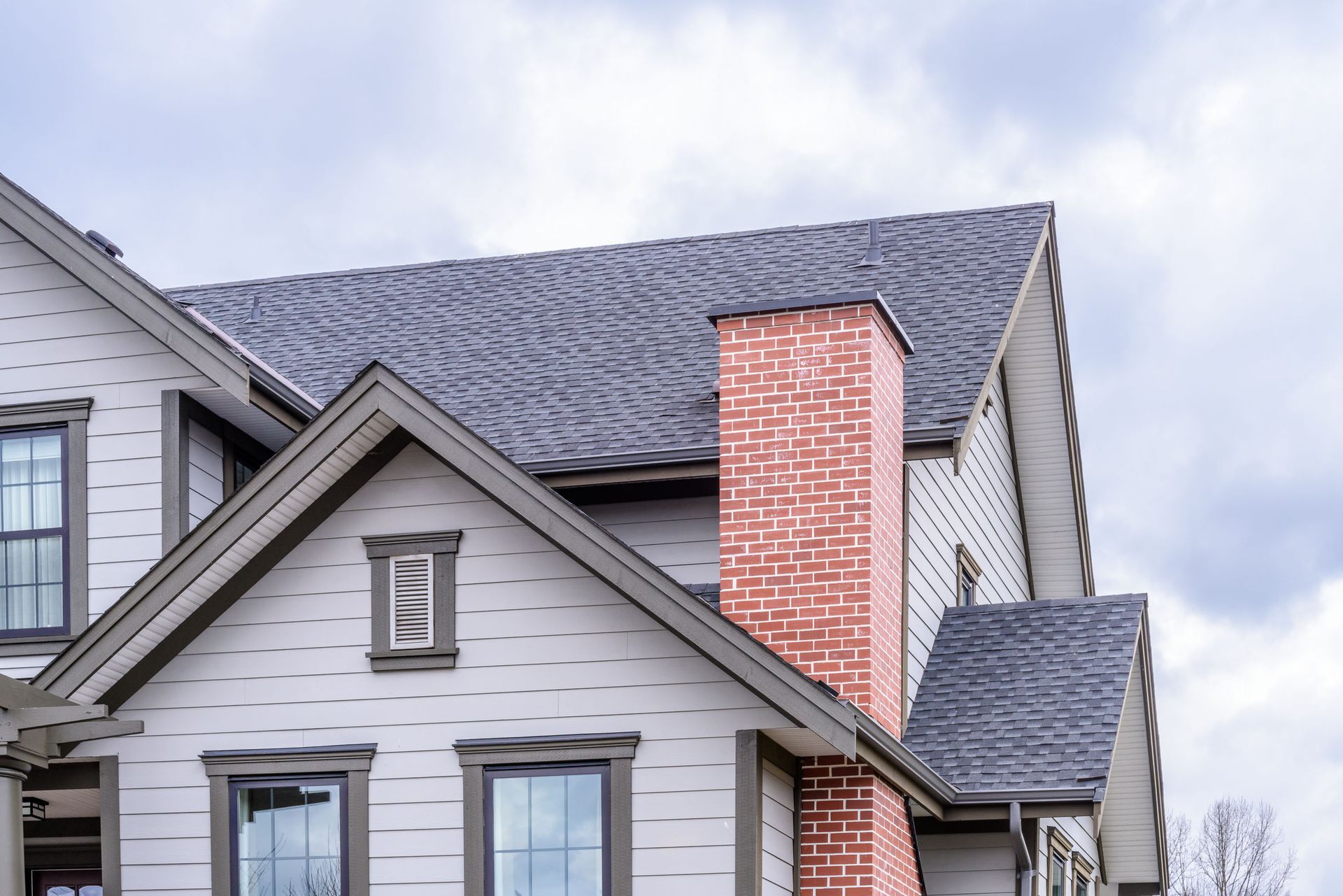
When these signs are isolated to a small corner or a specific penetration like a vent or chimney, a roofing repair is usually the most logical path. However, when these symptoms appear uniformly across the entire plane, it suggests that the material has lost its chemical or physical elasticity. Attempting to seal one crack in a brittle membrane often causes new cracks to form nearby due to the pressure applied during the work. This "domino effect" of damage is a clear signal that the time for patching has passed.
Assessing Weather Impact
Severe weather events can bypass the natural aging process and force a decision. High winds can lift membranes, and heavy hail can puncture surfaces or bruise the underlying mats. After a significant storm, it is vital to have a professional conduct a comprehensive walk-through. They can identify if the damage is superficial or if the wind uplift has compromised the attachment points of the entire system.
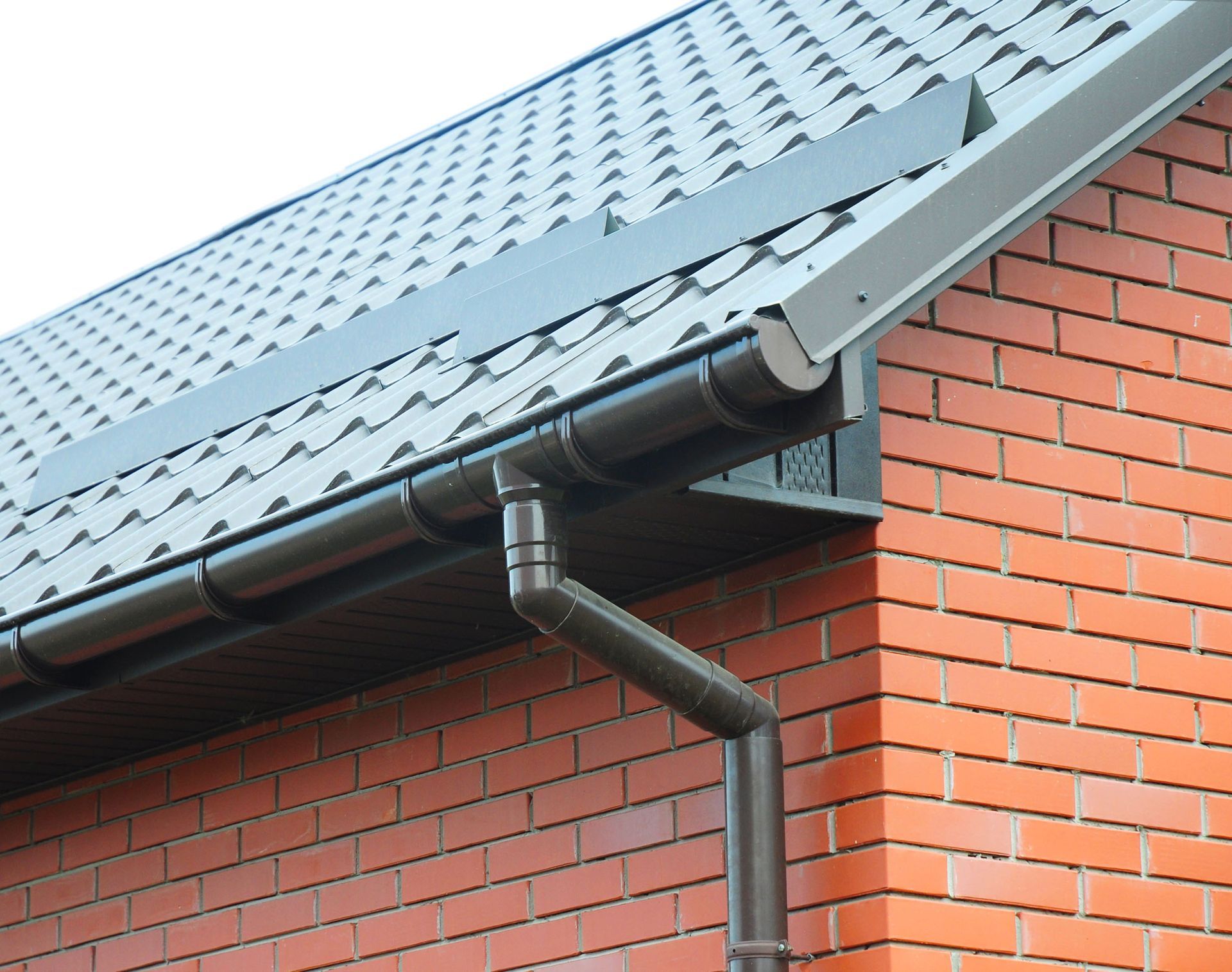
If the wind has compromised the perimeter flashing, the safety of the building is at risk. In these scenarios, a roofing repair might serve as a temporary "stop-gap" to prevent immediate water entry, but a full replacement is often necessary to restore the building to its original design strength. Professionals are trained to spot the subtle signs of storm damage that an untrained eye might miss, such as microscopic fractures in the membrane or loosened seams that will fail during the next rain event.
Comparing Operational Disruptions
The impact on daily operations is another factor that property owners must weigh. A roofing repair is typically a quick process with minimal equipment and personnel on site. It allows the building to remain fully operational with very little noise or debris. This is often the preferred route for minor leaks that do not threaten the core activities inside the building.
Conversely, a full replacement is a major construction project. It involves the removal of old materials, the delivery of new components, and a larger crew. While roof replacement sounds more intrusive, modern professional teams have refined the process to minimize downtime. Choosing a full replacement can actually be less disruptive in the long run than having a repair crew return multiple times a year to address recurring leaks. By completing the work in one scheduled window, the property owner gains peace of mind for years to come without the constant threat of unexpected maintenance calls.
Maintaining Safety Standards
Safety is the most important reason to seek professional help when evaluating a roof. Walking on an elevated surface is inherently dangerous, and an aging roof may have hidden weak spots that can lead to falls or structural collapses. Professionals use specific safety gear and can navigate steep slopes and fragile surfaces with proper training. Furthermore, they understand the local building codes and fire ratings that must be maintained during any modification to the structure.
A professional will also be able to identify if the existing system was installed incorrectly from the start. Sometimes, premature failure is not due to age but to poor ventilation or improper drainage. If these underlying issues are not corrected, even a high-quality roofing repair will fail prematurely. A total replacement allows for the correction of these design flaws, such as adding new drains or improving the pitch of the roof to prevent standing water.
Considering Future Plans
Finally, the long-term intent for the property should dictate the strategy. If the owner intends to sell the building in the near future, a new roof can significantly increase the property value and make the asset more attractive to buyers. A building with a documented history of constant roofing repair and an aging system may be seen as a liability during the due diligence phase of a sale.
On the other hand, if the building is slated for demolition or major renovation in a few years, a series of strategic repairs might be the most sensible way to keep the interior dry until the larger project begins. Discussing these goals with a professional allows for a tailored maintenance plan that aligns with the financial and operational objectives of the ownership group.
The transition from maintaining a roof to replacing it is a milestone in the life cycle of any building. By focusing on the physical evidence of degradation, the history of past work, and the advice of seasoned professionals, property owners can make an informed choice that protects their investment. Whether the situation calls for a targeted roofing repair or a complete system installation, the goal remains the same: a secure, dry, and efficient building. For a detailed assessment of your current system and professional guidance on your next steps, contact Geissler Roofing Co, Inc to discuss your options for roofing repair and long-term protection.